
45
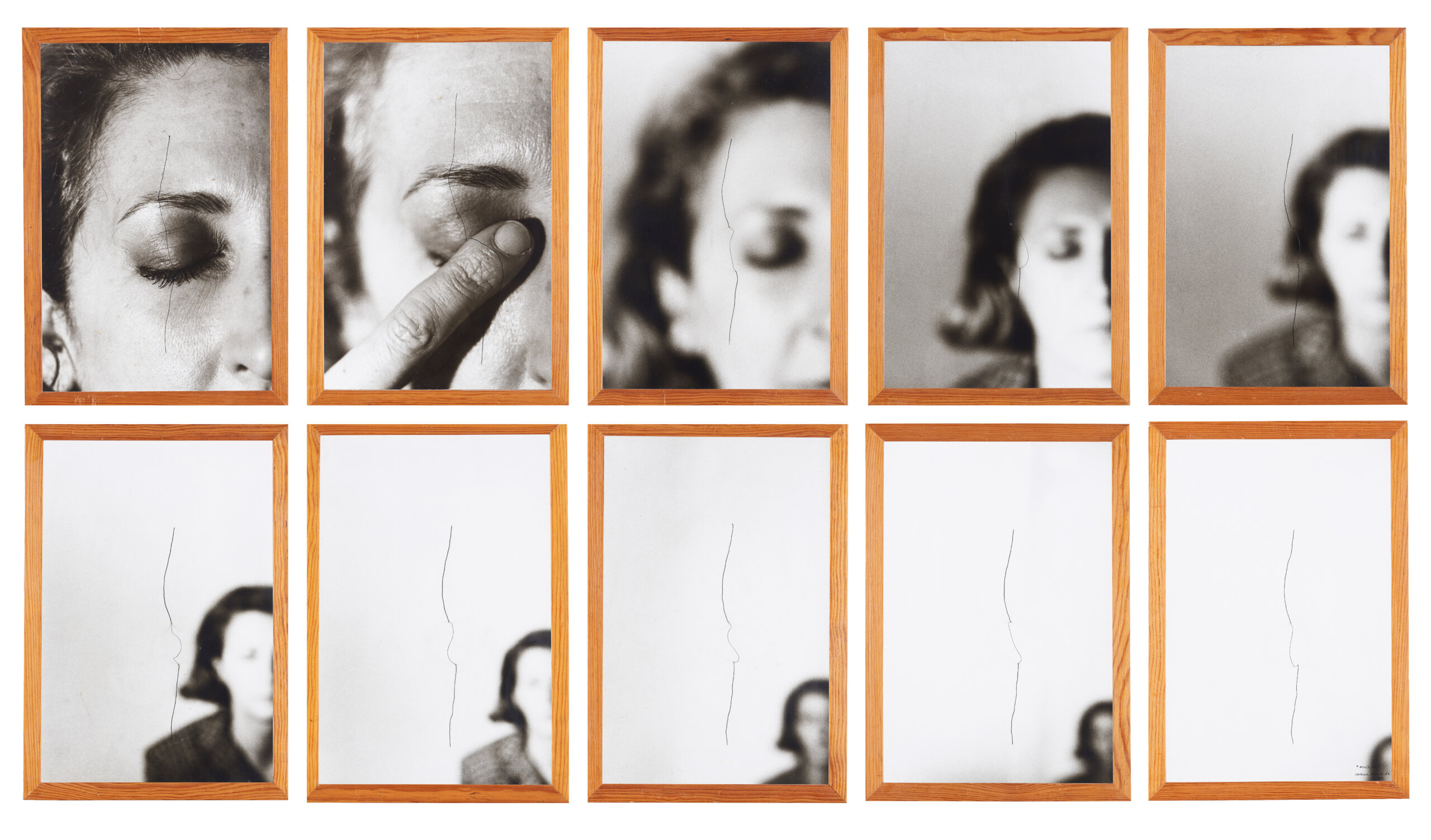
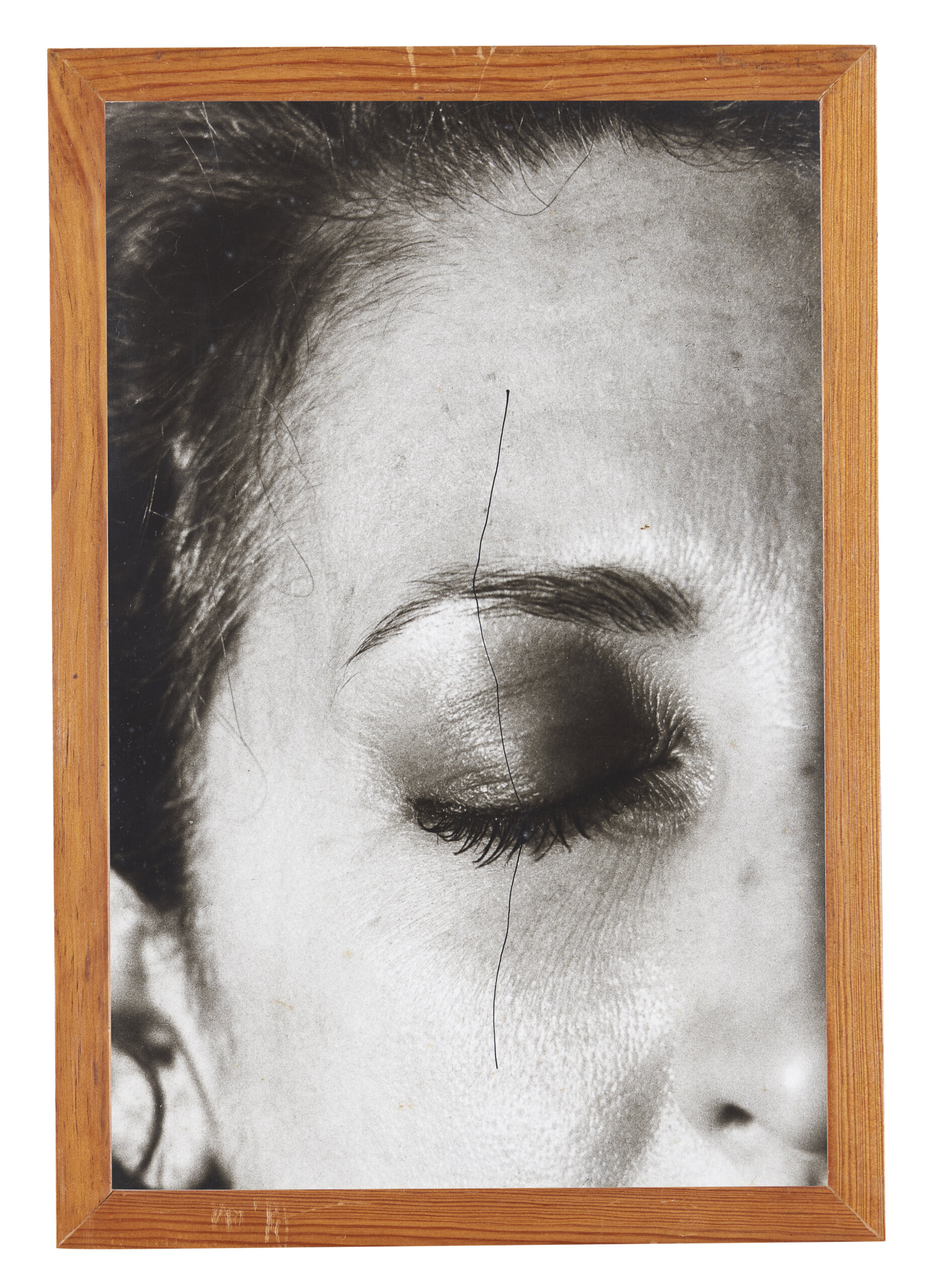
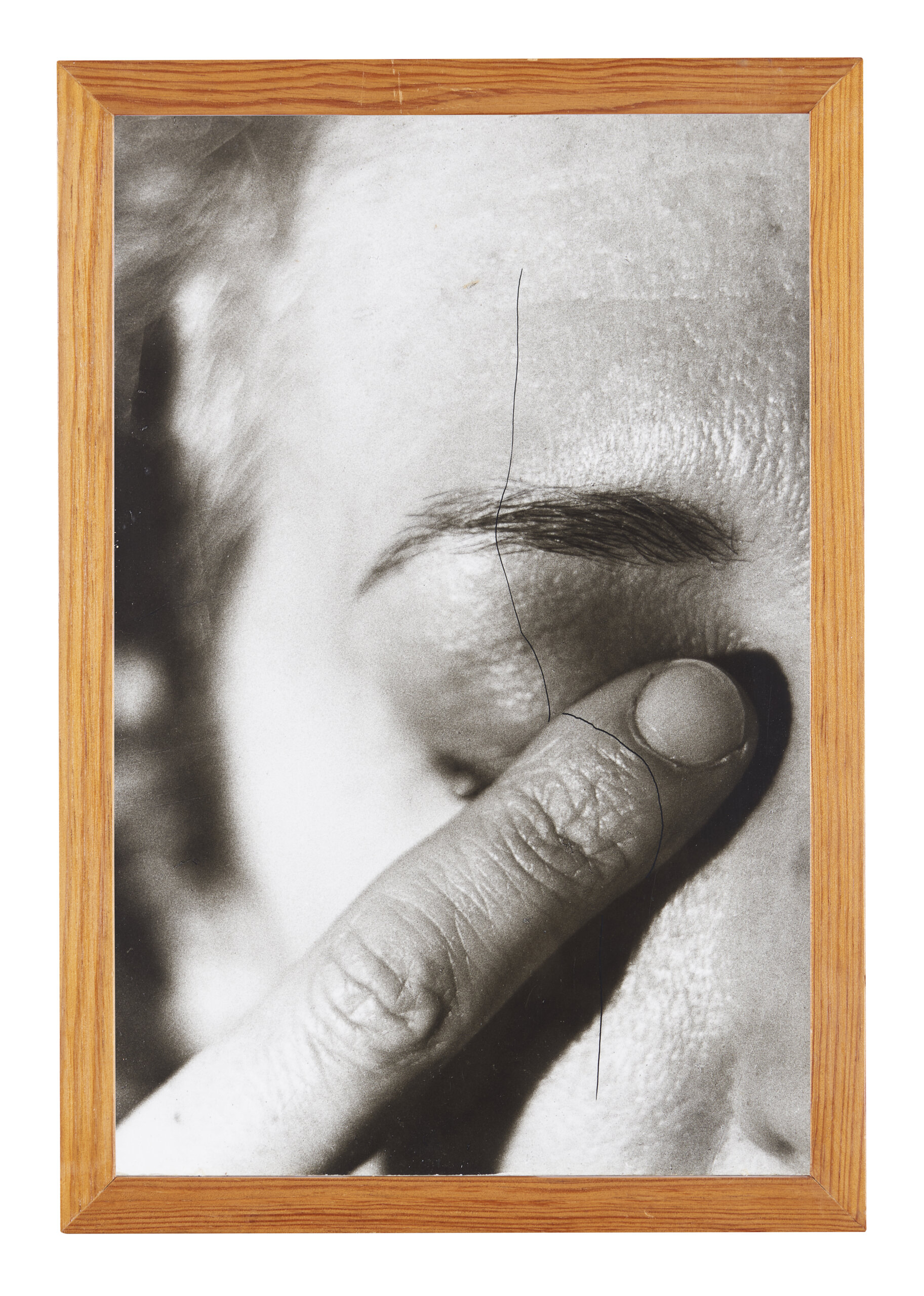
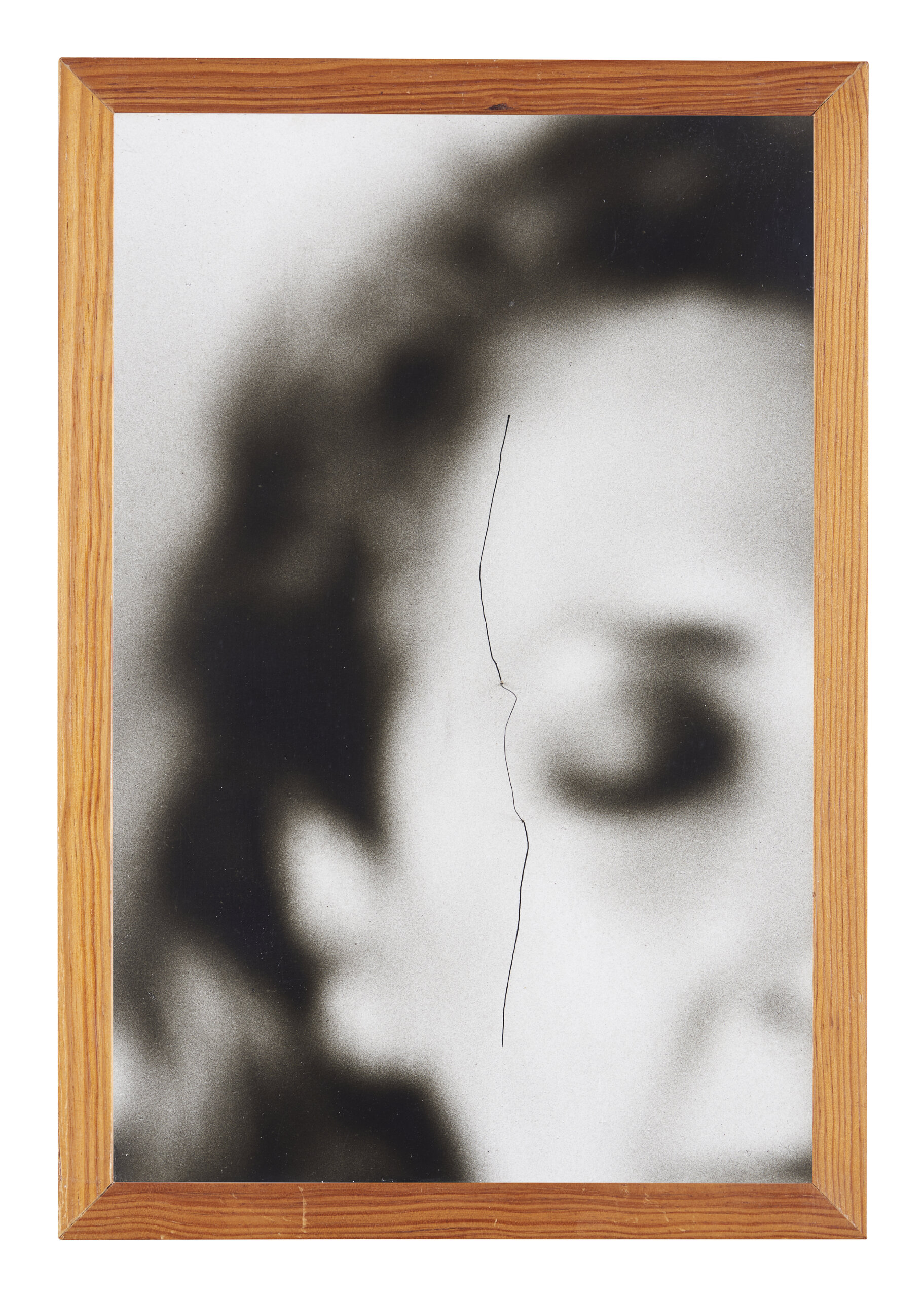
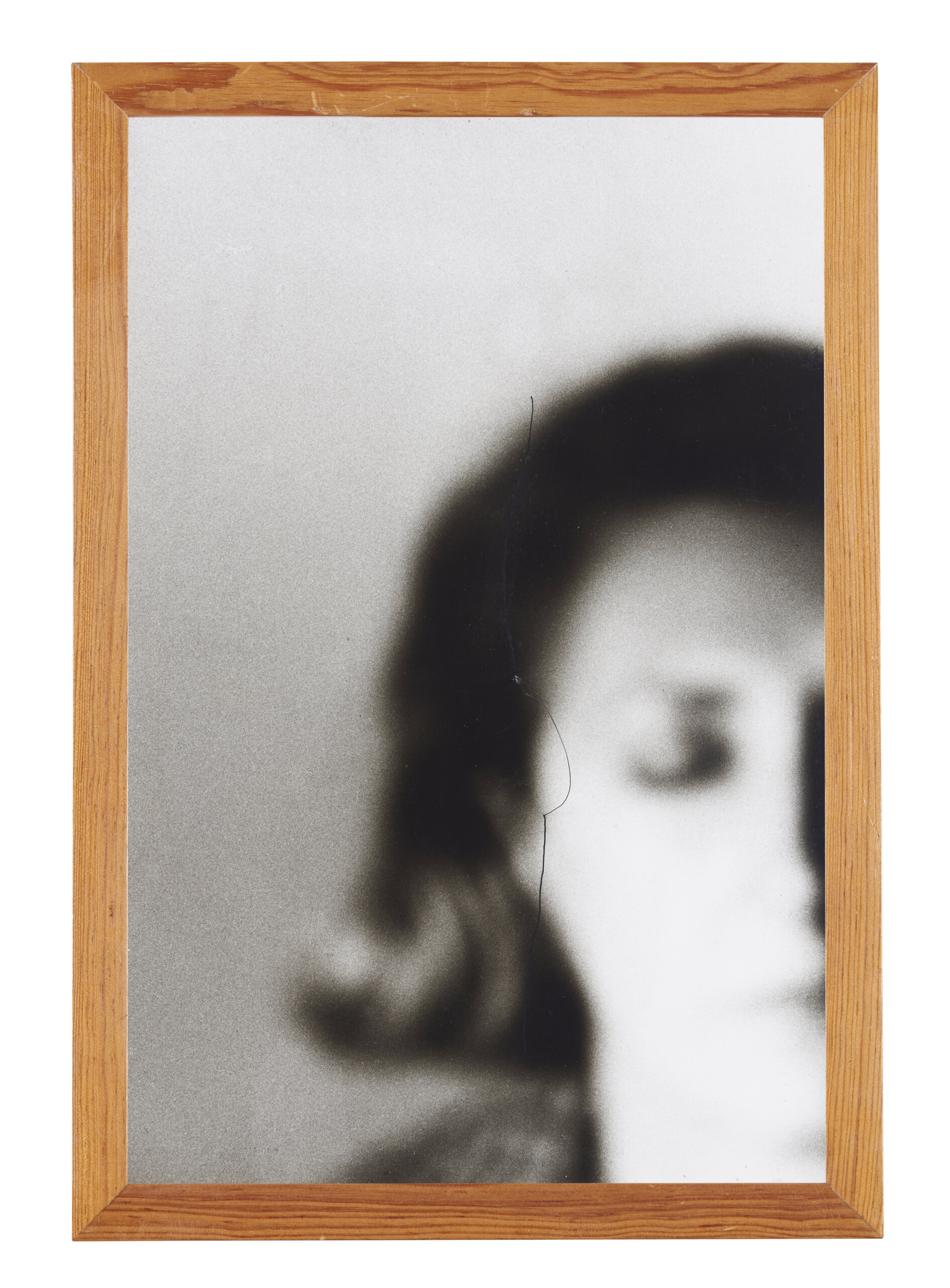
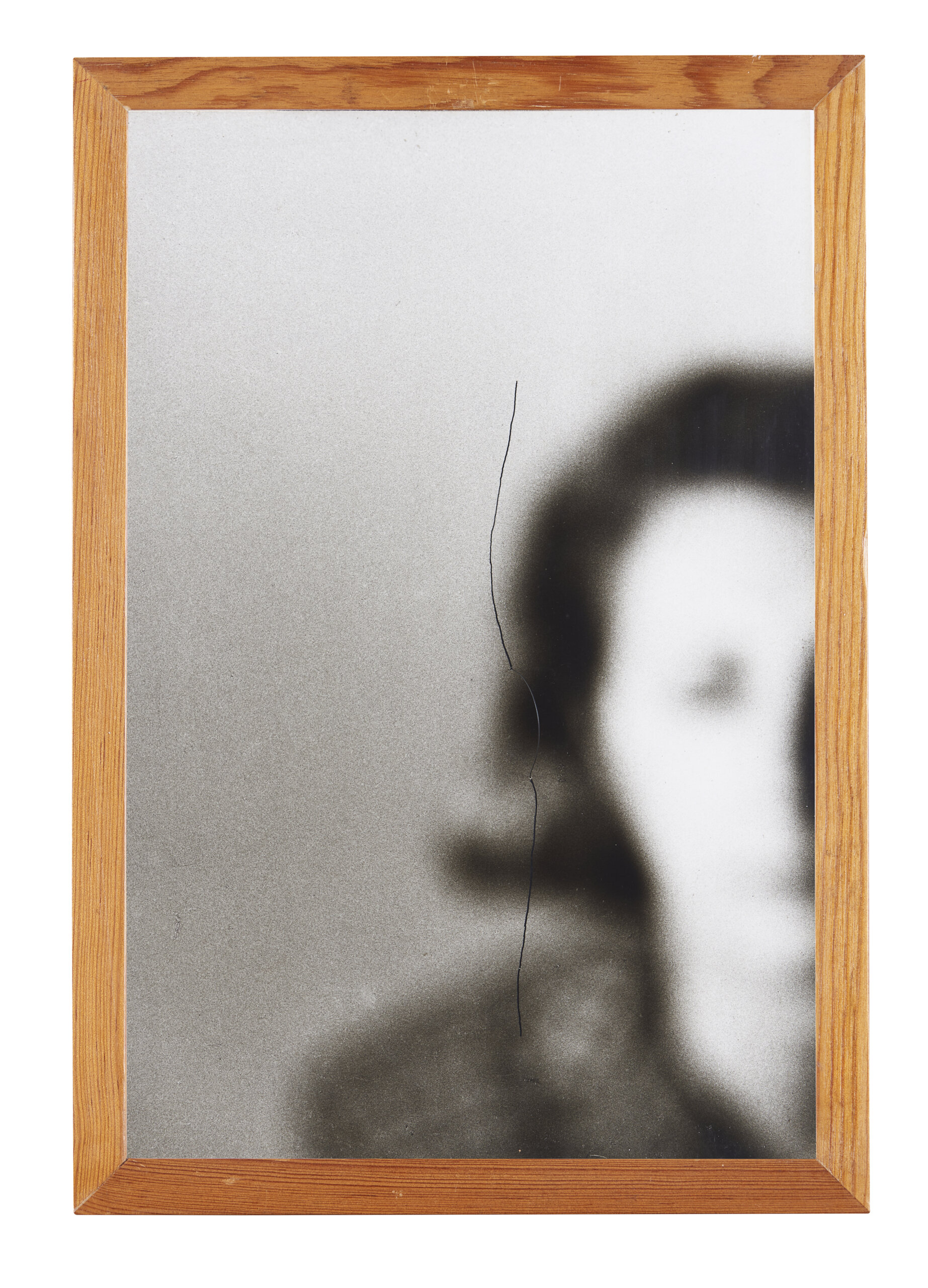
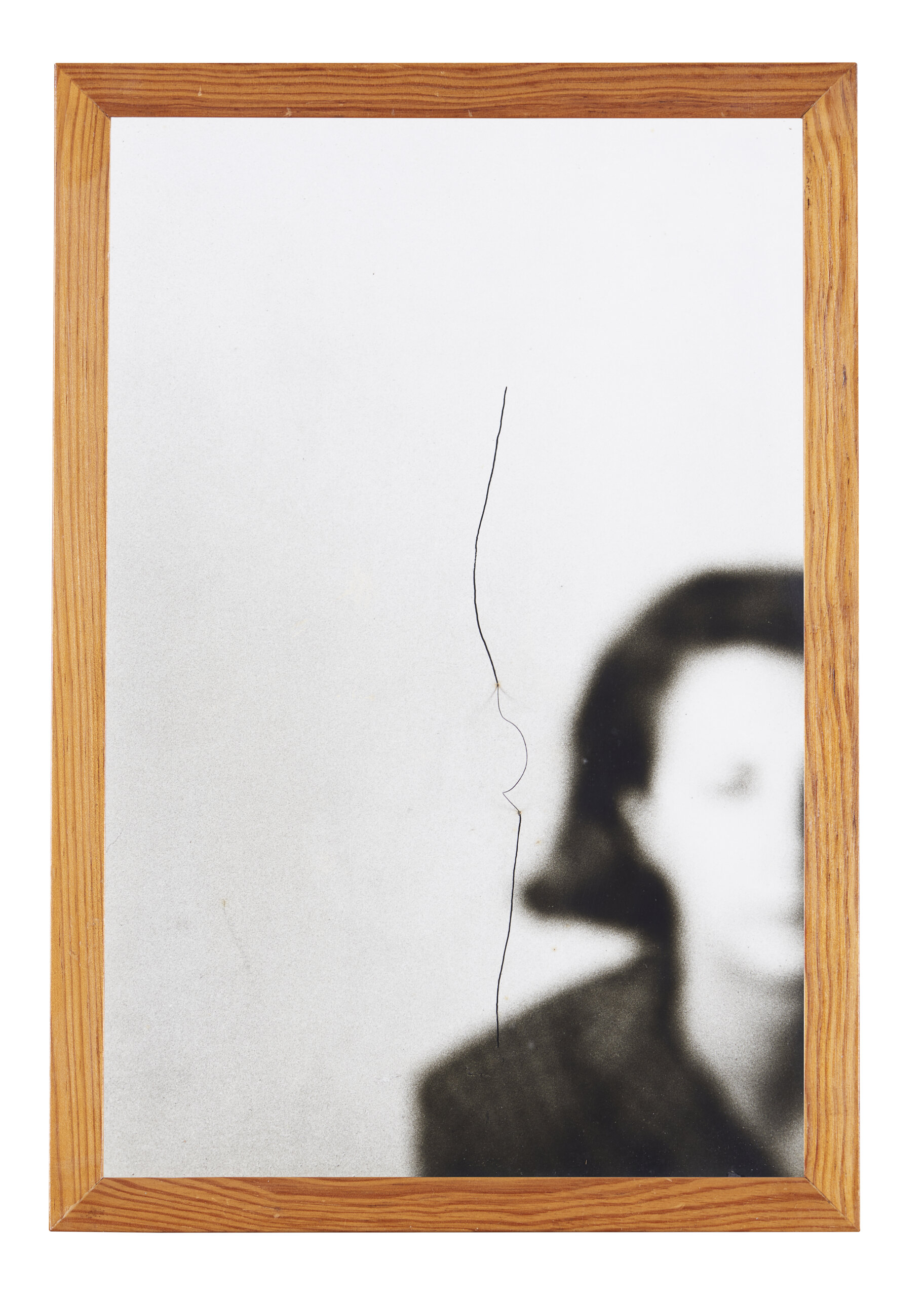
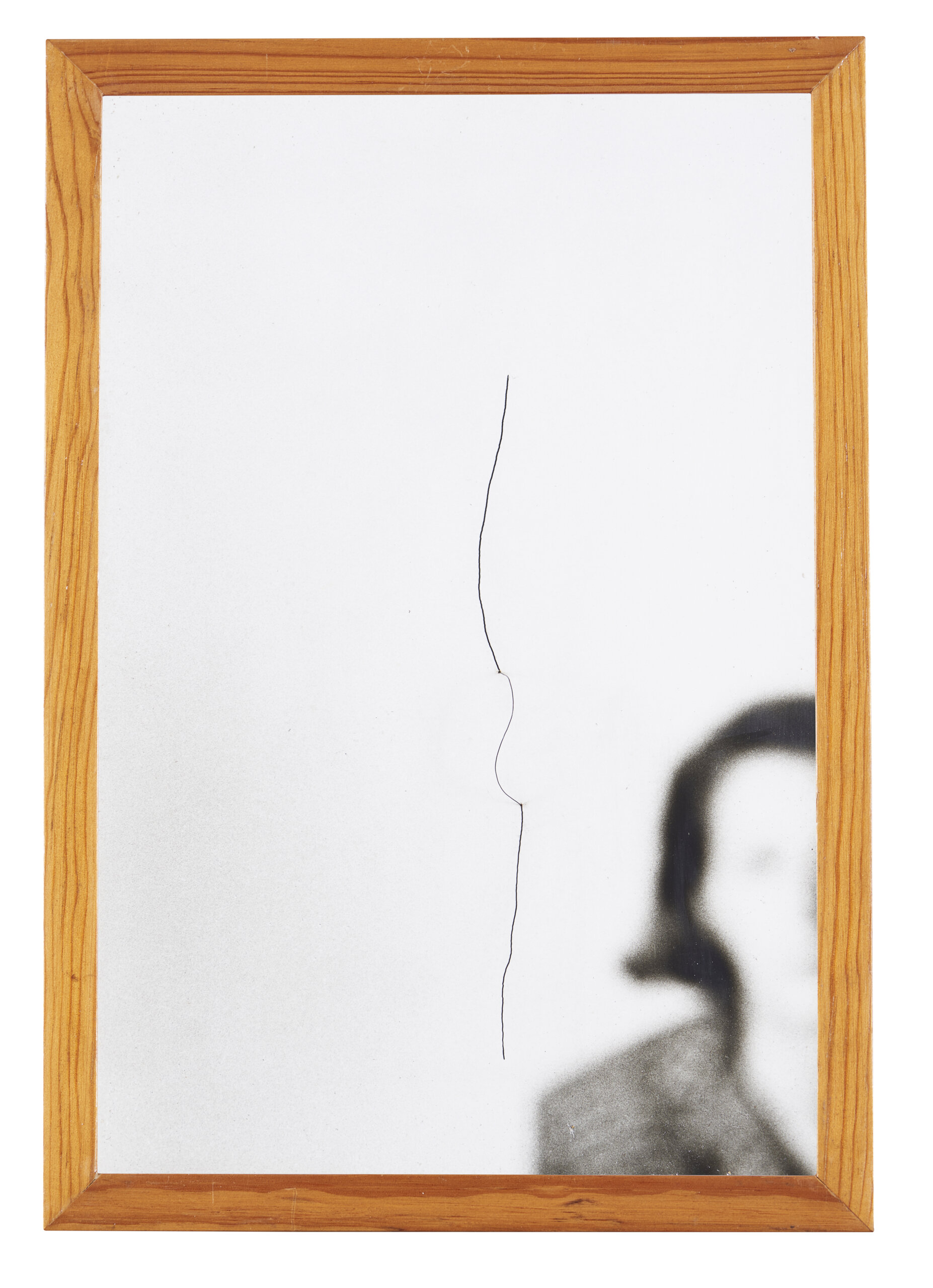
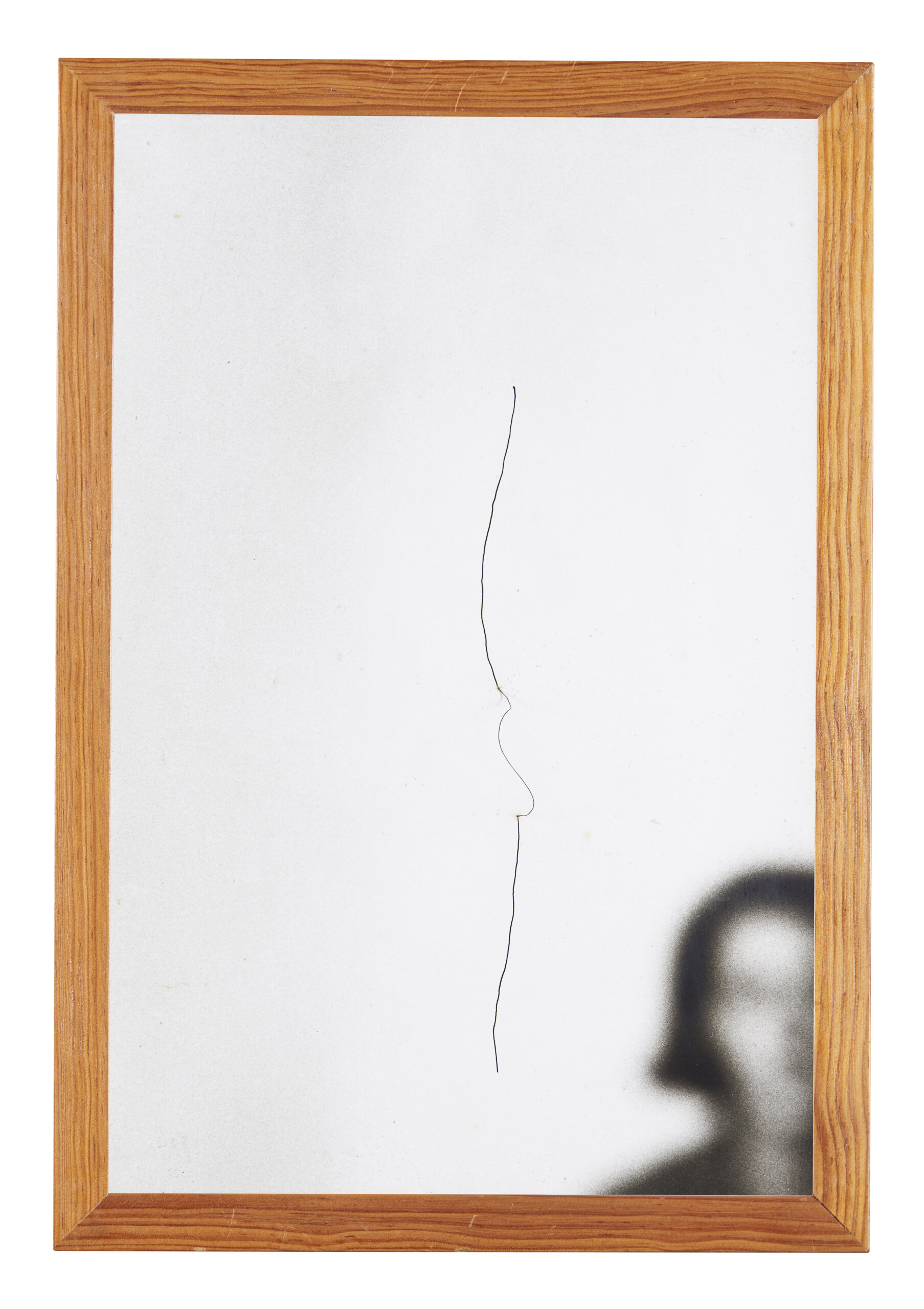
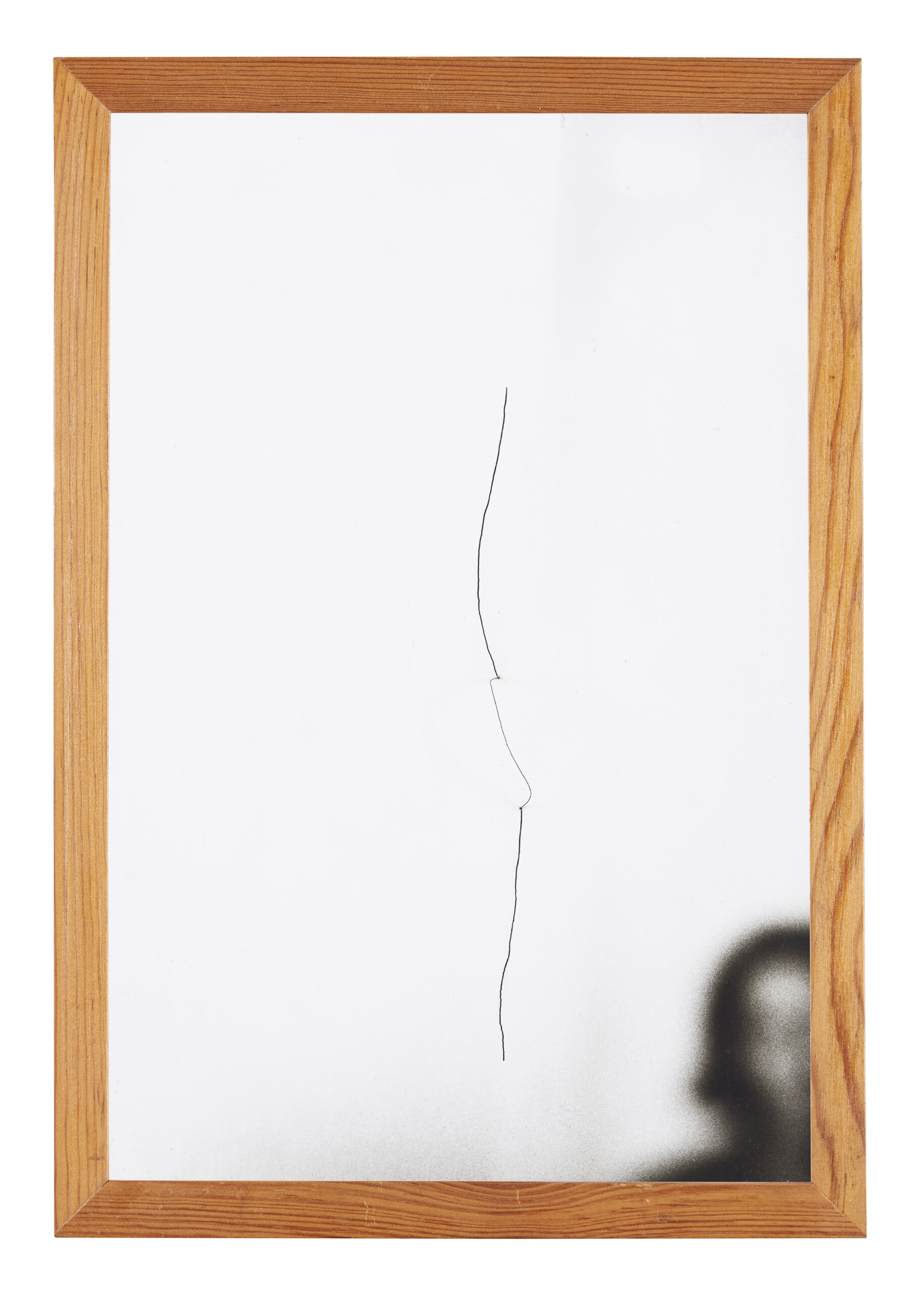
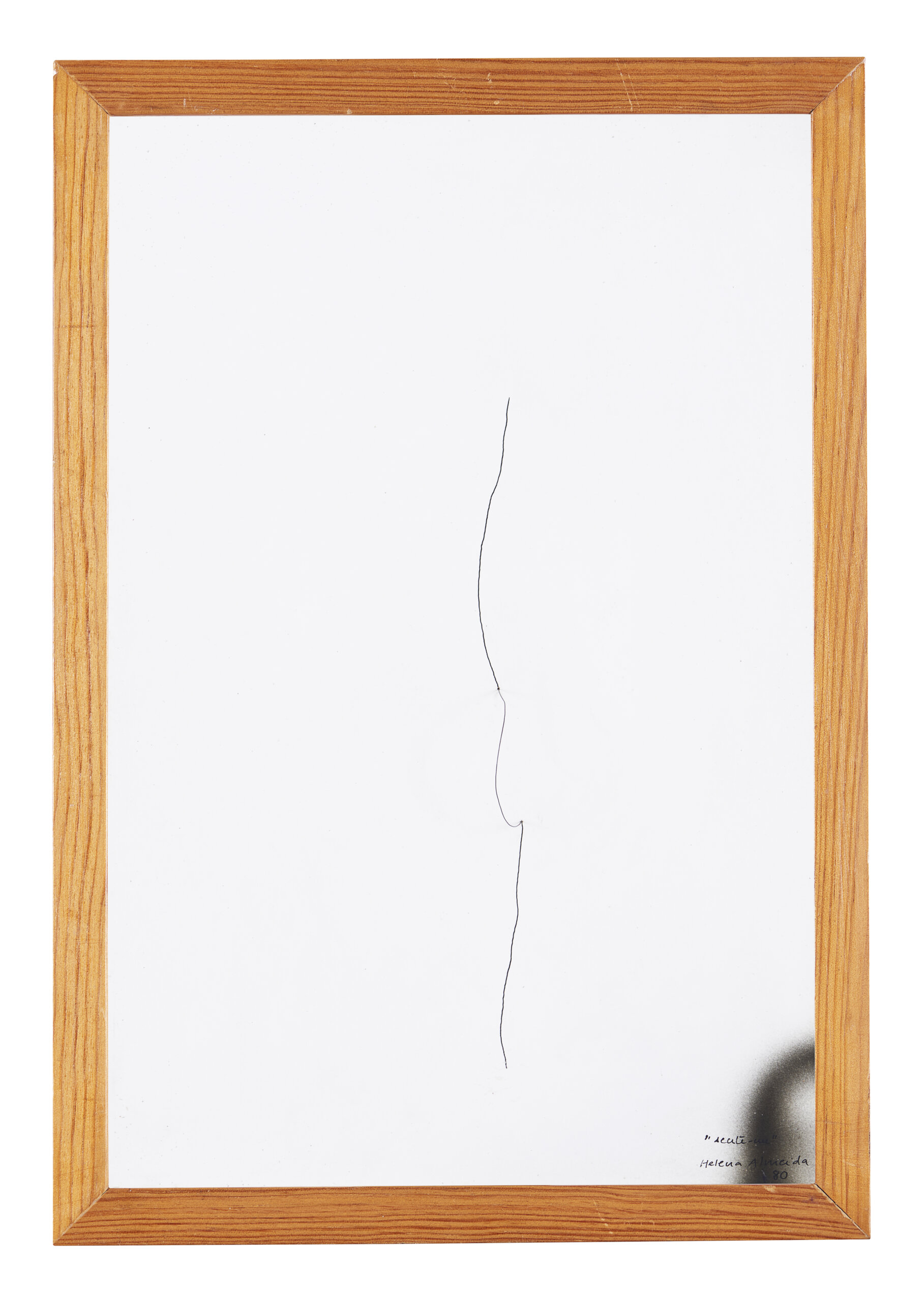
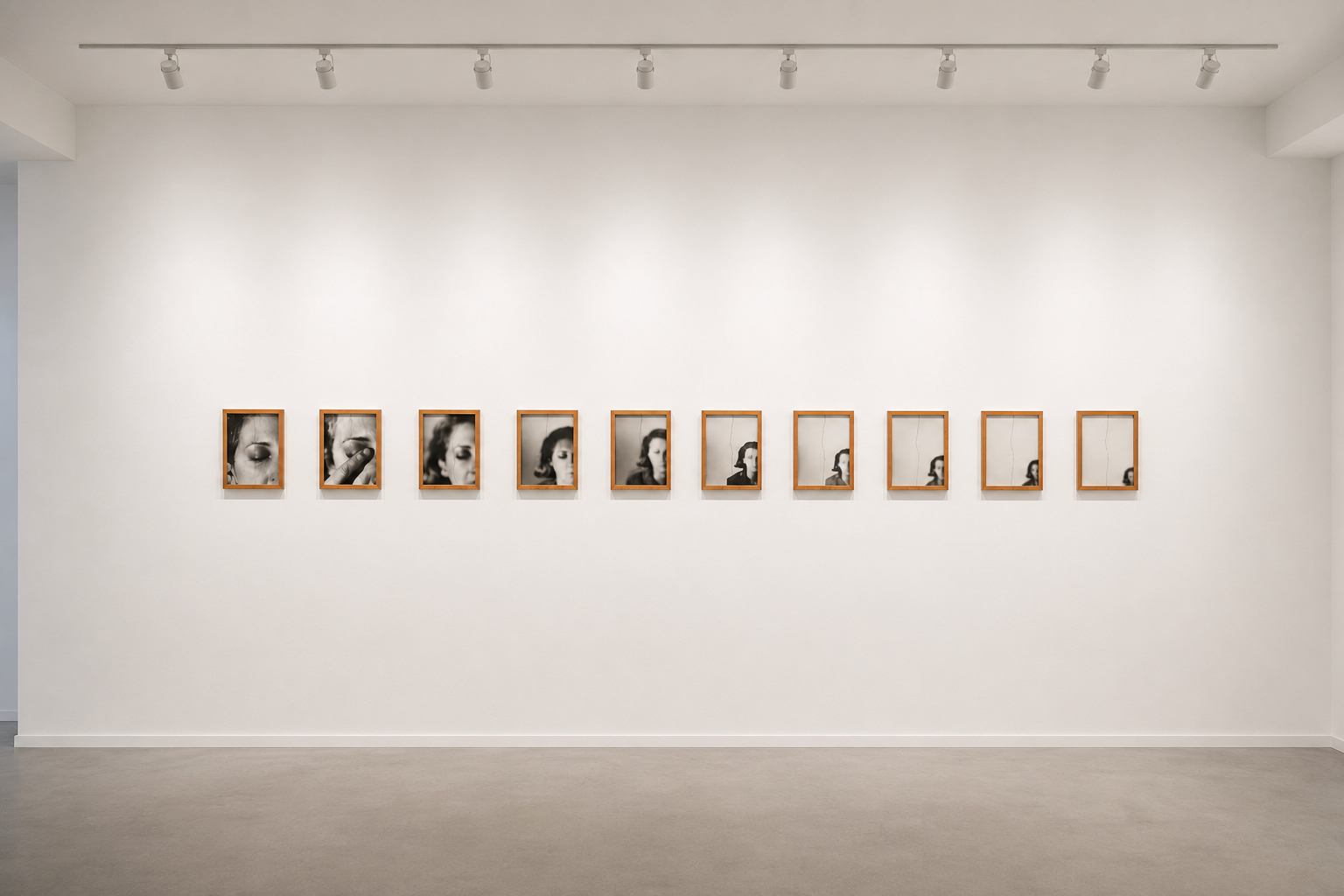
"Sente-me", 1979
Helena Almeida (1934-2018)
Estimate
200.000 - 300.000
Session
24 June 2026
Hammer Price
Register to access this information.Description
From the "Sente-me, Ouve-me, Vê-me" series
10 analogic Black and white photographs, ink and horse hair
Unique piece
Signed and dated 80
(minor defects)
32x22 cm (cada)
Category
Modern and Contemporary Art
Additional Information
Each element is numbered on the reverse of the frame indicating its position within the set.
Provenance:
Private collection.
Exhibitions:
“Helena Almeida – Dramatis Persona: Variações e fuga sobre um corpo”, Fundação de Serralves, 1996, cat. p. 53; Casa da América, 1997; “Helena Almeida” – CGAC, Xunta de Galicia, 2000, rep. cat.; “Helena Almeida: Pés no chão, cabeça no céu”; CCB, 2004, cat. p. 17 ; “Helena Almeida”, Ángela Molina, 2005, cat.; “Tela rosa para vestir”, Fundación Telefonica, 2008, cat.; “A minha obra é o meu corpo, o meu corpo é a minha obra”, Jeu de Paume, 2016, cat. pp. 120-121; “A minha obra é o meu corpo, o meu corpo é a minha obra”, Fundação Wiels, 2017; “Helena Almeida: Corpus”, IVAM, 2017 ; “Fotografia habitada, antologia de Helena Almeida, 1969-2018”, Instituto Moreira Salles, São Paulo, Brasil, 2023, cat. pp. 48-49.
"Sente-me (See me)" by Delfim Sardo
Helena Almeida’s proposition is to replace the logic of the exemplary image—the one that embodies the notion of the masterpiece—with the use of the image as part of a representational system of time and its measure: movement. This performative approach entails two further shifts. On the one hand, it establishes a direct connection with cinema and the processes of the cinematic script. On the other, it introduces a narrative and almost literary dimension, culminating in the important series that concludes the 1970s, entitled Sente-me, Ouve-me, Vê-me (Feel Me, Hear Me, See Me) - in fact, a complex body of work comprising several sub-series under the titles Sente-me e Ouve-me (Feel Me and Hear Me).
The inhabitation of the canvas implies its sensory occupation by a body, and it is through this relationship between body and space that the narrative—if we may call it such—of Almeida’s work is woven from the mid-1970s through to this culminating series at the close of the decade.
Sente-me, Ouve-me, Vê-me (Feel Me, Hear Me, See Me), also represents an opening towards other artistic practices, particularly the use of sound and video. In the specific case of sound, Almeida
employed a recording of a pencil drawing on paper—the friction of graphite against the surface—amplified to such a degree that it acquires an unexpected emotional intensity and monumentality.
The title of each sub-series contradicts the situation it presents, or exposes its impossibility: Vê-me (See Me) is the title of an invisible sound work; Sente-me (Feel Me) refers to situations in which touch is mediated, prevented, or deferred; and Ouve-me (Hear Me) designates circumstances in which communication itself is rendered impossible. This strategy of naming through impossibility—or by stating the opposite of what is enacted—corresponds to a moment in Helena Almeida’s practice in which tension prevails over any resolved or concluded situation. It is precisely this state of transition, charged with tension and complexity, that would come to define the subsequent development of her work.
For this reason, the series is of particular significance, constituting a pivotal and historically important moment in Helena Almeida’s artistic trajectory.
Closed Auction
