
308
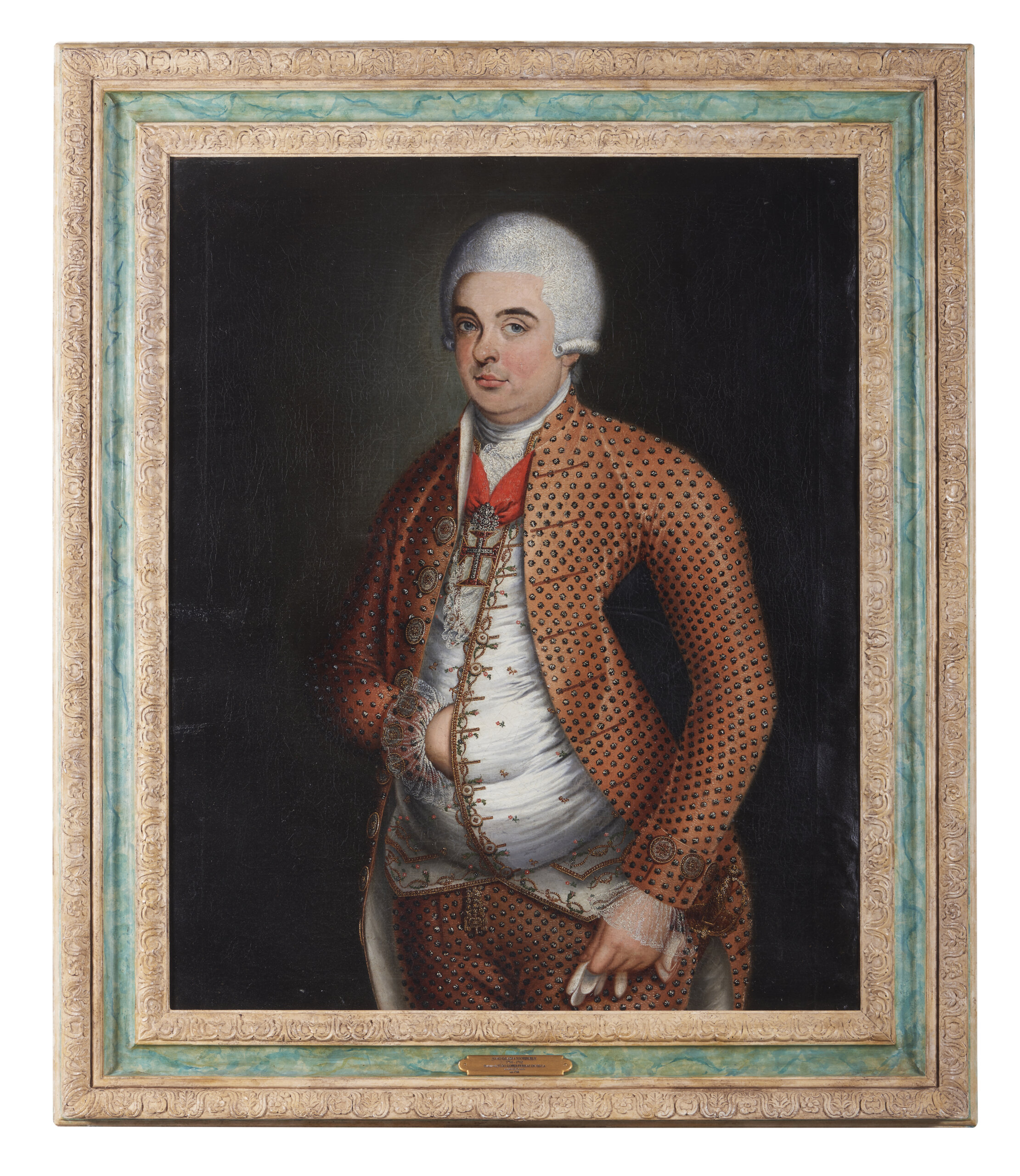
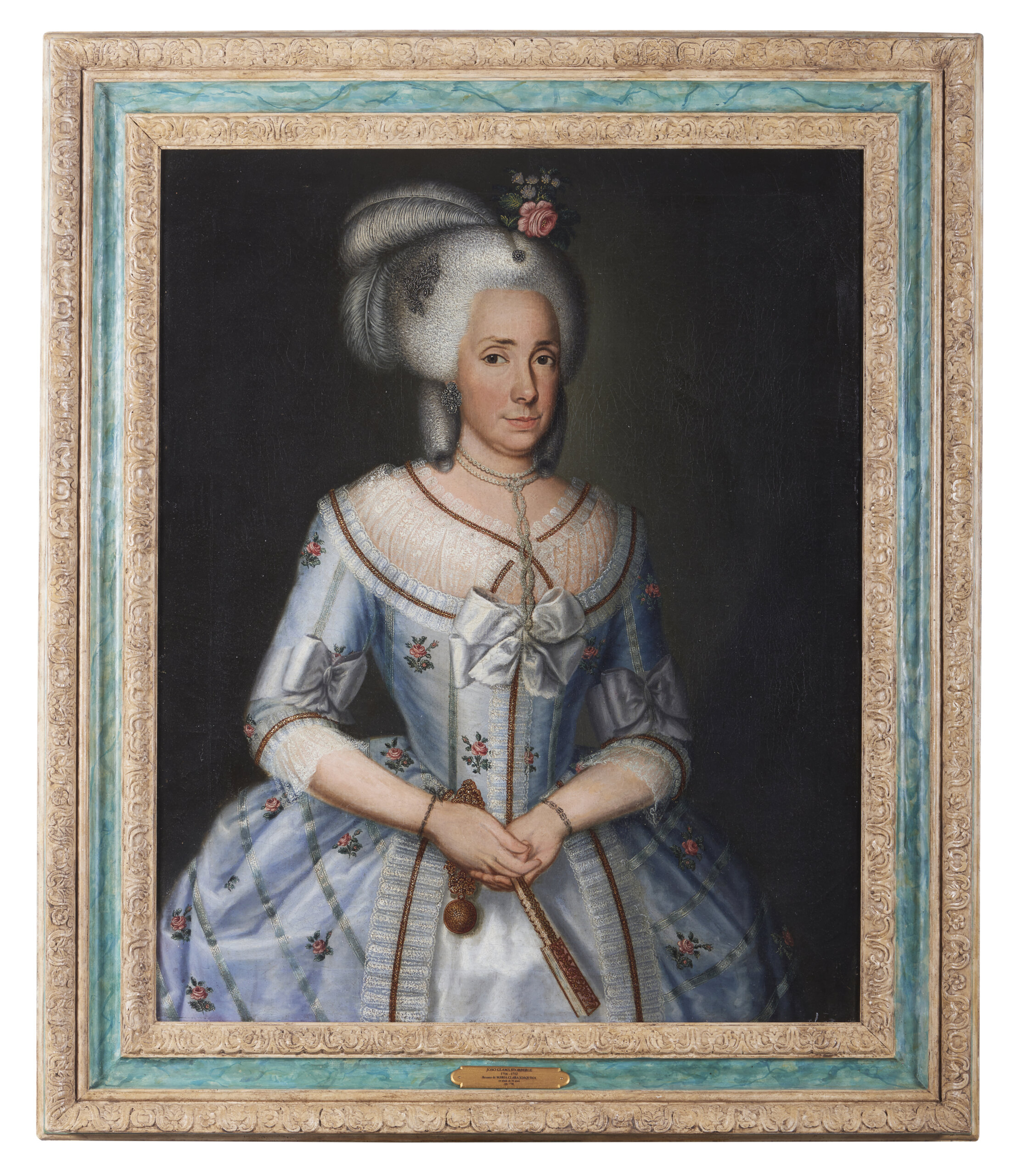
A pair of portraits of João Lopes Ferraz de Beça (1759-1831) and D. Maria Clara Joaquina (1731-?)
João Glama Ströberle Attrib. (b. 1708–1792)
Estimate
20.000 - 40.000
Session 2
16 December 2025
Hammer Price
Register to access this information.Description
Oil on canvas
Inscriptions on verso: "João Lopes Ferras de Beça Copiado no anno de 1788 de id.e de 29 annos" and "D. Mª Clara Joaquina. Copiada no anno de 1788 de id.e de 56 annos."
102x82 cm
Additional Information
This lot includes the portraits of João Lopes Ferraz de Beça and his paternal grandmother, D. Maria Clara Joaquina (1731–?), prominent figures in Porto society at the end of the 18th century.
João Lopes Ferraz de Beça, Knight Professed of the Order of Christ and Apostolic Syndic of the Royal Convent of Santo António in the City of Porto, belonged to an influential family of merchants and almotacés, connected to the firm "Ferraz, Filho e Correia", which dominated the trade in ceramics, textiles, wines and other goods exported via the Douro.
The portraits date from 1788, a period when the Ferraz de Beça family was at the height of its economic and social prominence. At this time, the patriarch João Lopes Ferraz and his wife D. Maria Brázida de Beça Ferraz were already owners of the Quinta da China, one of the most notable properties on the right bank of the Douro. The quinta had been inherited by D. Maria Brázida from her parents, Francisco de Beça Teixeira and Mariana Jacinta, and was distinguished by its privileged location, walled gardens and manor house architecture.
Associated with the trade in porcelain and textiles from the Orient — the probable origin of its name — the Quinta da China would play a significant role in notable episodes in Porto's history, particularly during the French invasions and the liberal siege of 1832.
The portraits of João Lopes Ferraz de Beça and D. Maria Clara Joaquina are attributed to João Glama Ströberle (1708–1792), a painter born in Lisbon but active for much of his career in Porto. The attribution is based on stylistic comparison with other portraits recently appearing on the market, in which a monogram presumed to be the signature of this artist has been identified. These works constitute testimony to the social and economic assertion of a rising merchant bourgeoisie, reflecting the taste, status and self-perception of an elite that combined economic power with moral and religious distinction.
Provenance:
Quinta da China, Porto.
Closed Auction
