
111
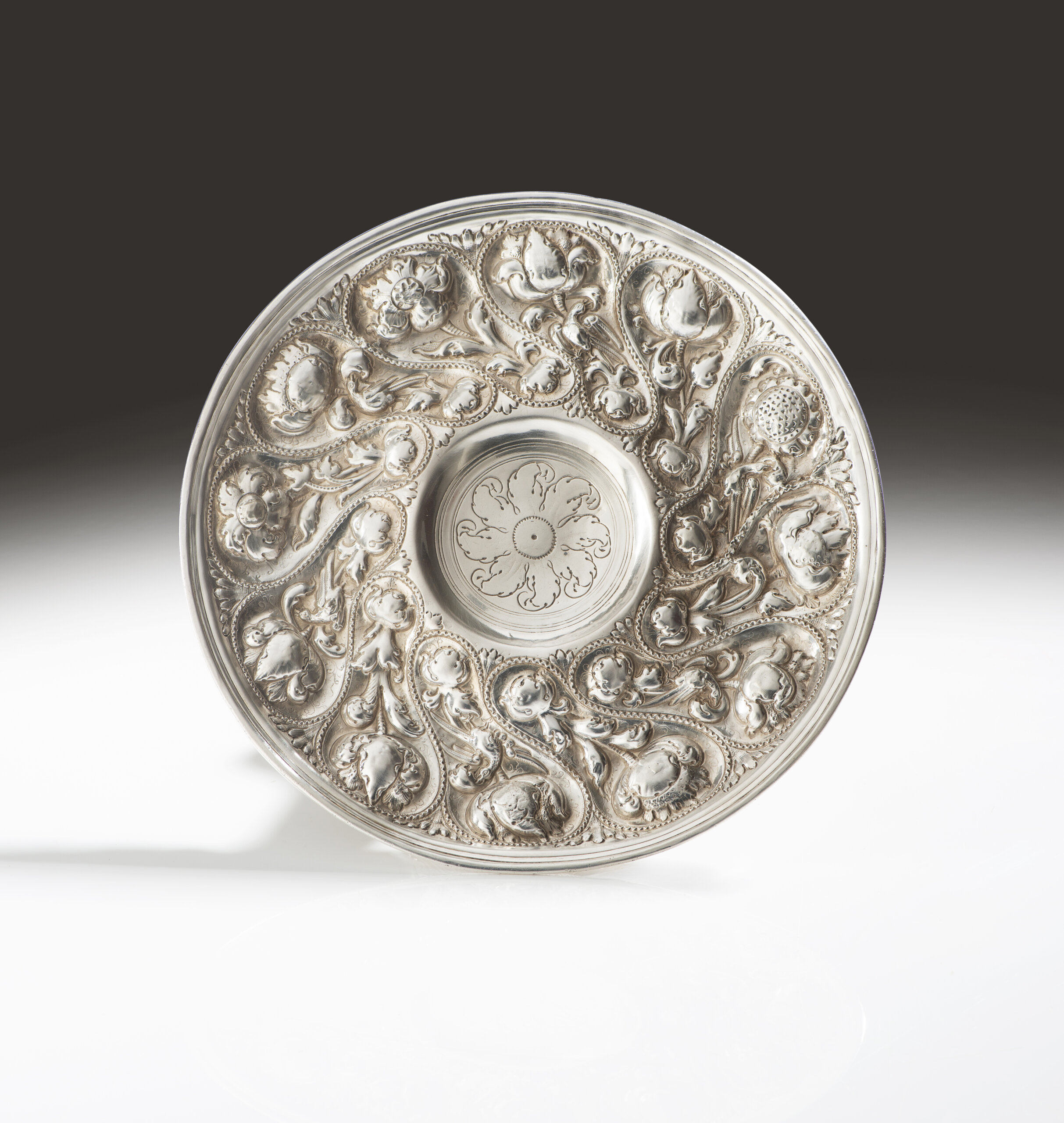
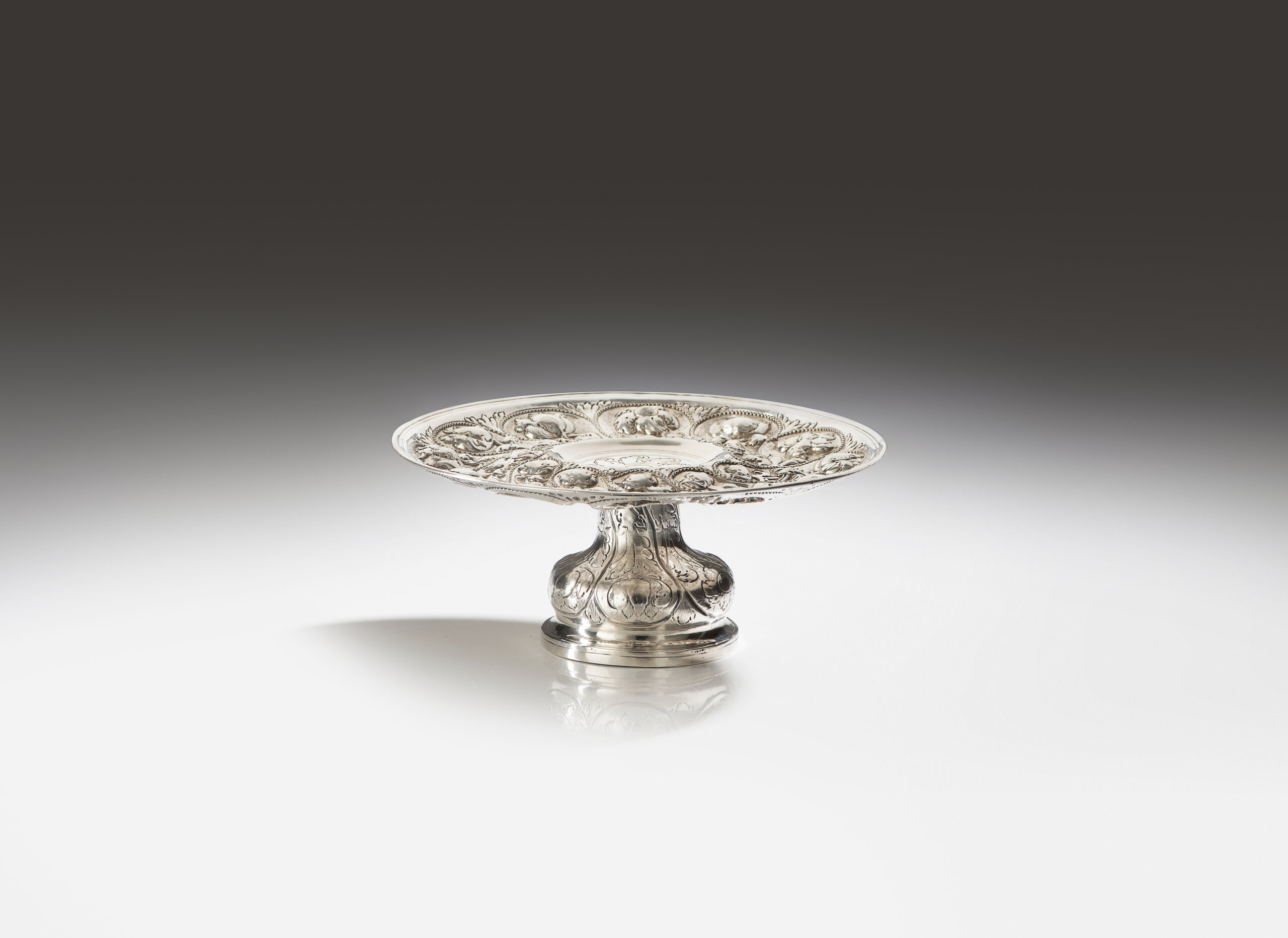
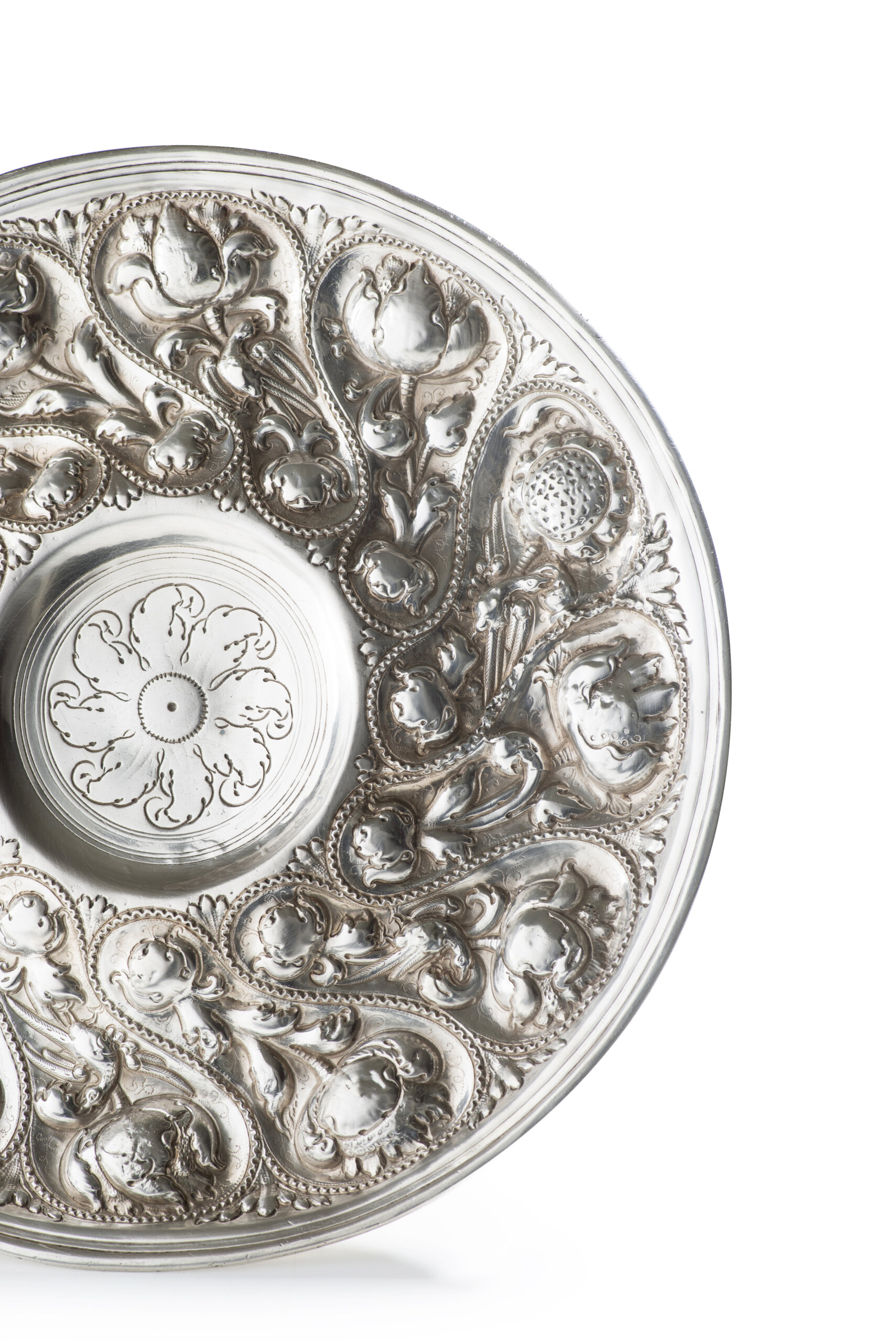
Baroque Salver
Estimate
8.000 - 12.000
Session 1
25 March 2026
Hammer Price
Register to access this information.Description
In silver
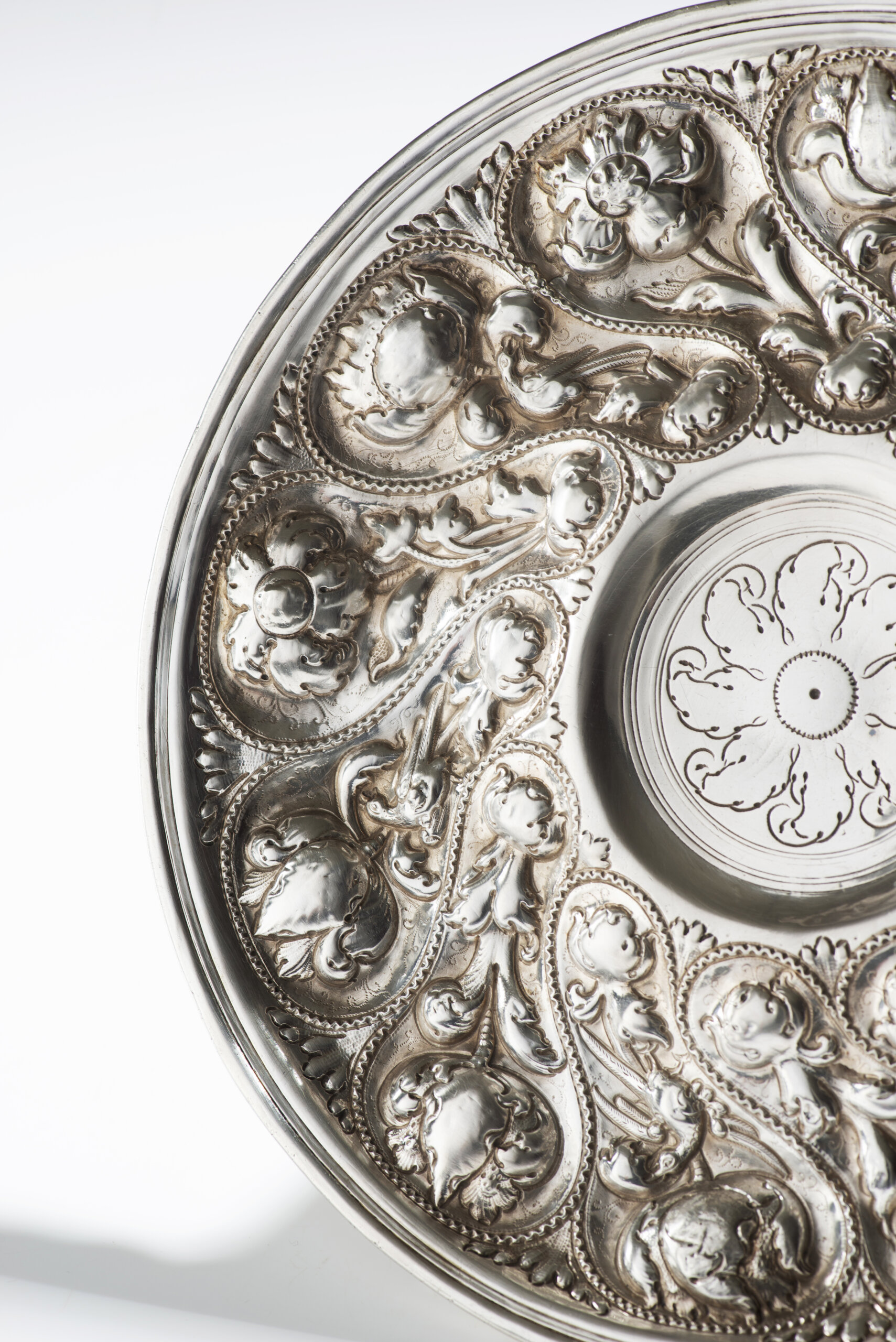
Decorated in relief and engraved with birds, flowers and leaves
Set on a central foot with matching decoration
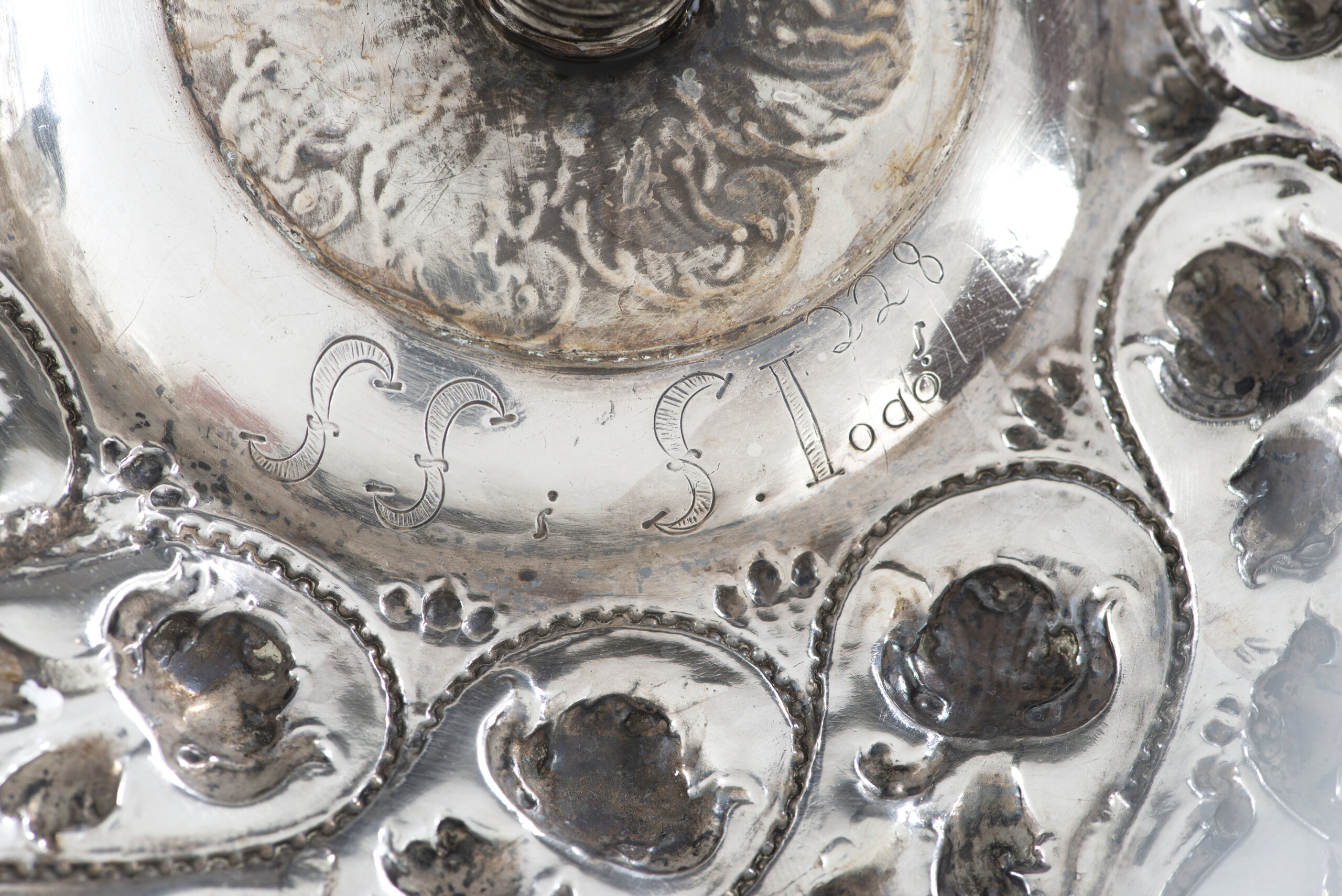
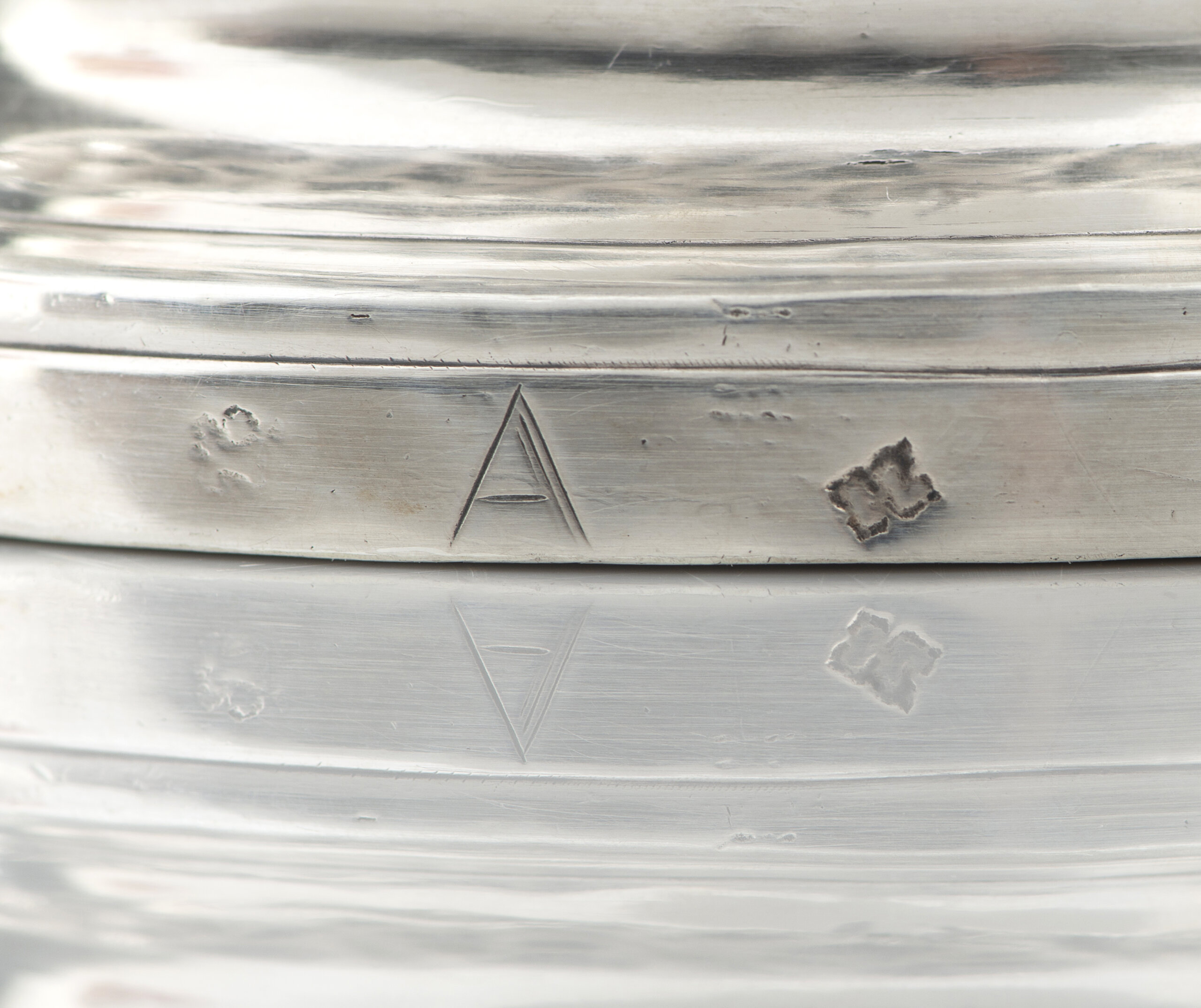
Lisbon assay mark (1694-1723) and maker's mark attributable to João Frederico Ludovice (1670-1752)
(restorations, inscription on reverse "SS. i S. Ioao s. 228", ownership mark A)
12x28,5 cm
809 g
Additional Information
Featured in the exhibition "Obra Prima", held in São Paulo from August 15 to September 8, 2002, and is represented in its catalog, pp. 136 to 137.
Similar examples reproduced in:
SOUSA, Gonçalo de Vasconcelos e - "Pratas em Colecções do Douro". Lamego: Lello Editores, 2001, pp. 104-105, fig. 4;
SANTOS, Reynaldo dos; QUILHÓ, Irene - "Ourivesaria Portuguesa nas Colecções Particulares". Lisboa: Edição de Autor, 1974, p. 36, fig. 10.
João Frederico Ludovice (1673-1752) is widely recognized as the architect of the National Palace of Mafra, one of the most important Baroque works in Portugal. However, before distinguishing himself in architecture, Ludovice worked as a silversmith, training in this art in Germany and later in Italy. The lot we present at auction is an exemplary demonstration of how his training as a silversmith influenced his later work as an architect, analyzing the sophisticated and detailed features that carried over into his architectural works.
Indeed, silversmithing, as a form of artistic expression, played a crucial role in his aesthetic formation. His experience as a silversmith allowed him to develop a meticulous approach to detail conception, a characteristic evident in the ornamental details he applied to his constructions.
Training and Aesthetic Influences:
Ludovice was born in Germany and received his initial training in silversmithing in Augsburg, a European center of excellent precious metal production during the Baroque period.
Later, he traveled to Rome where he refined his knowledge and came into contact with the artistic trends of the time, and it was there that he likely associated with Thomas Germain, the silversmith of the first Germain dinner service that disappeared in the 1755 earthquake. His time in these cultural centers contributed to his refined sense of proportion, symmetry, and detailed ornamentation.
Ludovice's experience in silversmithing is reflected in the ornamental richness of his architectural works. Characteristic elements of silversmithing, such as the use of Rococo motifs, arabesques, and volutes, can be observed in the decorative interior carvings, altarpieces, and sculptural details.
The Palace and Convent of Mafra, his most emblematic work, presents artistic craftsmanship that reflects the same rigor and sophistication of silversmithing. The chapels and stone and wooden altarpieces display a refinement reminiscent of precious metalwork, with meticulous elements that echo his initial training.
Although his production as a silversmith is less documented, he likely carried out commissioned works for the Portuguese court, given his later connection to King João V. Records indicate that Ludovice worked with precious metals and used sophisticated techniques, reflecting the splendor and grandeur of Portuguese Baroque, as exemplified by the footed salver we now bring to auction.
João Frederico Ludovice's journey as a silversmith had a significant impact on his architectural approach. His attention to detail and formal refinement, developed through silversmithing practice, contributed to the grandeur and decorative richness of his works.
Literature:
FRANÇA, J.-A. (1989). A Arte Barroca em Portugal. Lisboa: Bertrand Editora.
PEREIRA, P. (2000). História da Arte Portuguesa: O Barroco e o Rococó. Lisboa: CTT.
SERRÃO, V. (1992). João Frederico Ludovice e a Arquitetura Joanina. Lisboa: INCM.
Closed Auction
